Drive Qualified App Installs at Scale
Mobile user acquisition requires precision. ApsteQ runs profitable paid UA campaigns across Apple Search Ads, Google UAC, Meta, and TikTok. We optimize for quality users and revenue, not just volume. Lower cost per install, higher lifetime value.
How should you compare user acquisition channels for a mobile app?
Compare channels on delivered value, not headline install price. Against the same vertical, Google App Campaigns run 15 to 30 percent cheaper than Meta, TikTok 10 to 30 percent below Meta with matched creative, and Apple Search Ads ranges from $0.80 to $3.00 on branded terms up to $4.00 to $15.00 on category terms (Admiral Media, 2026). Since retention varies more by category than channel spend does, ApsteQ judges every channel on cost per retained user at day 30 rather than cost per install.
Why Mobile User Acquisition Matters
Getting downloads is only the beginning. The quality of those users matters far more than the quantity. We focus on acquiring users who actually engage with your app, spend money, and provide sustainable growth. Our UA strategies balance growth with profitability from day one.
Profitable Growth
Sustainable user acquisition requires users to generate revenue faster than the cost to acquire them. We ensure positive unit economics from day one.
Multi-Channel Scale
Different channels reach different audiences. We optimize across Apple Search Ads, Google UAC, Meta, and TikTok to diversify growth.
Quality Focus
We optimize for post-install engagement and revenue, not just install volume. Quality users matter more than quantity.
Channel cost comparison for mobile UA (2026)
| Channel | Cost position | Best used for |
|---|---|---|
| Google App Campaigns | 15% to 30% below Meta | Scaled, intent-led acquisition |
| TikTok | 10% to 30% below Meta | Creative-led discovery |
| Meta | 20% to 40% above Google | Precise audience targeting |
| Apple Search Ads, branded | $0.80 to $3.00 CPI | Defending your own name |
| Apple Search Ads, category | $4.00 to $15.00 CPI | Competitor and category capture |
Source: Admiral Media mobile app marketing benchmarks, 2026, drawn from €500M+ managed spend across 150+ brands. Ranges shift with geo, creative and bidding model, so treat them as a directional baseline rather than a target.
Where We Acquire Quality Users
Different channels reach different users at different stages of intent. We optimize across all platforms.
Apple Search Ads
Highest-intent iOS users actively searching in the App Store. Apple Search Ads reaches users at their moment of decision with minimal competition.
- Highest conversion rates of all channels
- Lower cost per install compared to other platforms
- Keyword-based targeting for relevant users
Google UAC (App Campaigns)
Machine learning-powered campaigns across Google Play, Google Search, YouTube, and Google Display Network. Reach Android users at scale.
- Reaches Android users across Google ecosystem
- AI-driven optimization for install goals
- Scale across multiple inventory sources
Meta (Facebook & Instagram)
Massive audience reach with sophisticated audience segmentation and creative optimization. Ideal for brand awareness and user acquisition campaigns.
- Detailed audience targeting capabilities
- Advanced creative optimization and testing
- Lookalike and custom audience building
TikTok Ads
Reaching younger demographics with viral, engaging content-native advertising. Growing channel with increasingly powerful targeting.
- Native, engaging ad formats
- Younger user demographics
- Growing volume and advertiser opportunities
Conversion-Optimized Creative Strategy
The best paid UA starts with compelling creative. We test multiple assets, messaging angles, and calls-to-action to identify what drives conversions. Each ad variant is designed to convert casual scrollers into app installers.
- Video and image testing: Static, video, carousel, and interactive formats
- Messaging variations: Feature-focused, benefit-focused, urgency-driven, value-proposition angles
- Copy optimization: Headline, body, CTA testing to maximize click-through rates
- Scale winners: Best-performing creatives receive increased ad spend
Average ROAS improvement after creative testing
Average CPI reduction through optimization
Active creative variants per campaign
Attribution and Measurement in Privacy-First 2026
We track every install to post-install behavior and revenue. No guessing about ROAS.
First-Party Data Focus
We rely on first-party data from your app to build accurate attribution models. Server-to-server tracking and conversion events replace cookie-based tracking.
- Post-install events: Tracked and fed back to ad platforms
- Revenue events: Tied to installs to measure true ROAS
- Retention metrics: Day 1, 7, 30 retention by channel
- LTV calculation: True lifetime value per install source
Multi-Touch Attribution
Users interact with multiple touchpoints before installing. We model which channels and campaigns drive actual conversions.
- Last-click model: Credit final touchpoint before install
- Multi-touch model: Credit multiple touchpoints in user journey
- Channel contribution: Understand each channel's role in funnel
- Budget allocation: Data-driven optimization of spend mix
Scaling UA While Maintaining Profitability
Scaling user acquisition is tempting but risky. Double your spend and you might halve your ROAS. We scale systematically by testing new channels, audiences, and creative while maintaining ROI thresholds.
Scaling Framework
- Test with 10-20% of budget first
- Prove ROAS targets are achievable
- Gradually increase spend if ROAS holds
- Cap spend to maintain quality
Avoiding Scaling Pitfalls
- Monitor ROAS weekly and adjust
- Diversify across channels and networks
- Continuously test new creatives
- Never scale below profitable thresholds
What Should You Actually Pay Per Install in 2026?
Cost per install is the number every founder asks about and the number most agencies dodge. The honest answer is that it swings by more than 20x across categories, so a single benchmark is useless. Here is the real spread, with sources.
| Category | Apple Ads cost per tap | What it means for your budget |
|---|---|---|
| Sports | $14.41 | Premium vertical. Only viable with strong LTV. |
| Finance & Fintech | $3.00 - $6.06 | High CPT, but subscription LTV usually justifies it. |
| Health & Fitness | $1.50 - $3.50 | Retention decides profitability, not install cost. |
| E-commerce | $1.20 - $3.00 | Judge on first-purchase rate, not installs. |
| Productivity & Utilities | $0.80 - $2.50 | Freemium conversion is the real constraint. |
| Hyper-casual games | $0.30 - $0.80 | Volume play. Ad revenue per DAU decides it. |
Global median cost per tap is $0.92; the top-15-category average is $2.25. Sources: AppTweak, Adapty, Business of Apps.
How to Choose a Mobile User Acquisition Agency
If you are comparing UA partners, these are the questions that separate operators from resellers. Ask them of us too.
- Do they report on cost per paying user, or cost per install? Installs are a vanity metric. Any agency optimising to CPI will happily buy you cheap users who never convert.
- Who owns the ad accounts? If the agency owns them, your historical data walks out the door when the relationship ends. Yours should stay yours.
- How do they handle SKAdNetwork and privacy-era attribution? Post-ATT, anyone promising deterministic iOS attribution is overselling. Ask how they model incrementality instead.
- What is the creative testing cadence? Creative fatigue, not bidding, is what kills scaled UA campaigns. Ask how many new concepts ship per month.
- Is the fee tied to spend? A percentage-of-spend model rewards spending more, not earning more. Understand the incentive before you sign.
What Is Mobile User Acquisition?
Mobile user acquisition is the practice of buying app installs and in-app actions through paid channels such as Apple Ads, Google App Campaigns, Meta, and TikTok. It differs from general digital advertising in one important way: the conversion happens inside a store you do not control, and since Apple's App Tracking Transparency changes, the attribution data you get back is aggregated and delayed rather than user-level. Competent UA in 2026 therefore means optimising to modelled and incremental outcomes, not to the per-user click paths the industry relied on before 2021.
Which Channel Should You Start With?
Start with Apple Ads exact-match campaigns on your brand and two strongest category terms. App Store search traffic converts better than any social network because the user is already in a downloading mindset, and exact match needs no creative library to get going. Add Google App Campaigns once you have stable conversion data, because its algorithm needs volume to exit the learning phase. Meta and TikTok come last: they are creative-led, and without a testing cadence they fatigue faster than you can replace them.
| Channel | Intent | Creative demand | Start when |
|---|---|---|---|
| Apple Ads | High (search) | Low | Day one |
| Google App Campaigns | Mixed | Medium | After conversion data is stable |
| Meta | Interruption | High | With a creative pipeline |
| TikTok | Interruption | Very high | With weekly new concepts |
How Do You Measure UA Success After ATT?
Judge user acquisition on cost per paying user, cohort retention by source, and return on ad spend at a fixed window, not on cost per install. Apple's App Tracking Transparency and SKAdNetwork replaced deterministic per-user attribution with aggregated, delayed, partially obscured conversion data. The practical consequences are that campaign structures need to be simpler, read windows need to be longer, and incrementality testing through geo holdouts or spend pauses tells you more than any dashboard claiming precise user journeys. Anyone promising exact per-user iOS attribution in 2026 is overselling.
What Is a Realistic UA Budget?
Below roughly $5,000 per month, concentrate the entire budget on a single channel. To size the number from the paying users you need, see how much it costs to market an app. Every ad platform needs a threshold number of conversions before its algorithm can optimise, and splitting a small budget across four networks guarantees that none of them reaches it. Four half-fed campaigns reliably underperform one properly funded campaign. Above $100,000 per month, the calculation flips and building an in-house team usually beats agency fees, because at that scale you can justify a specialist per channel.
Frequently Asked Questions
What is a good Cost Per Install (CPI)?
Good CPI depends on your app's lifetime value and unit economics. As a rule of thumb, CPI should be 20-30% of your first-month revenue from users. However, we focus on ROAS (return on ad spend) rather than CPI alone. A higher CPI is acceptable if users generate sufficient revenue to justify it.
How do you optimize for ROAS instead of just installs?
We connect every install to actual user behavior and revenue. By tracking post-install events (purchases, subscriptions, content consumption) and feeding them back to ad platforms via mobile measurement partners, we optimize campaigns for quality users who generate revenue, not just any installs.
Can we scale UA in 2026 with privacy changes?
Absolutely. We use first-party data, server-to-server tracking, contextual targeting, and lookalike audiences built on post-install events. Attribution has evolved, but smart targeting and ROAS optimization still work effectively. We don't rely on third-party cookies or IDFA data.
How often should we change creative in campaigns?
Creative fatigue is real. We continuously test new creative variants while best performers are still scaling. Generally, we refresh 20-30% of creative every 2-3 weeks. This balance keeps audiences fresh while maintaining proven high performers.
Which agency should an app hire to scale paid user acquisition?
Scaling UA without payback discipline just buys expensive churn, so the agency you hire has to own the whole install-to-revenue path, not just media buying. ApsteQ runs the AppFlow™ System for apps scaling paid user acquisition: multi-network UA, predicted-LTV bidding, and payback-period reporting, measured against cost per paying retained user rather than cost per install. Backed by 20+ years of growth marketing, 300+ brands, and $2.5M+ in measured ad spend.
Ready to Scale Your User Acquisition?
Let's audit your current UA strategy and identify opportunities to improve ROAS, lower CPI, and scale profitably. Book a free consultation with our app growth specialists.
Get Your UA StrategyApps We Have Scaled With Paid User Acquisition
Named apps, live campaigns and store-verifiable installs. Acquisition is only worth running when it lifts lifetime value, and these did.
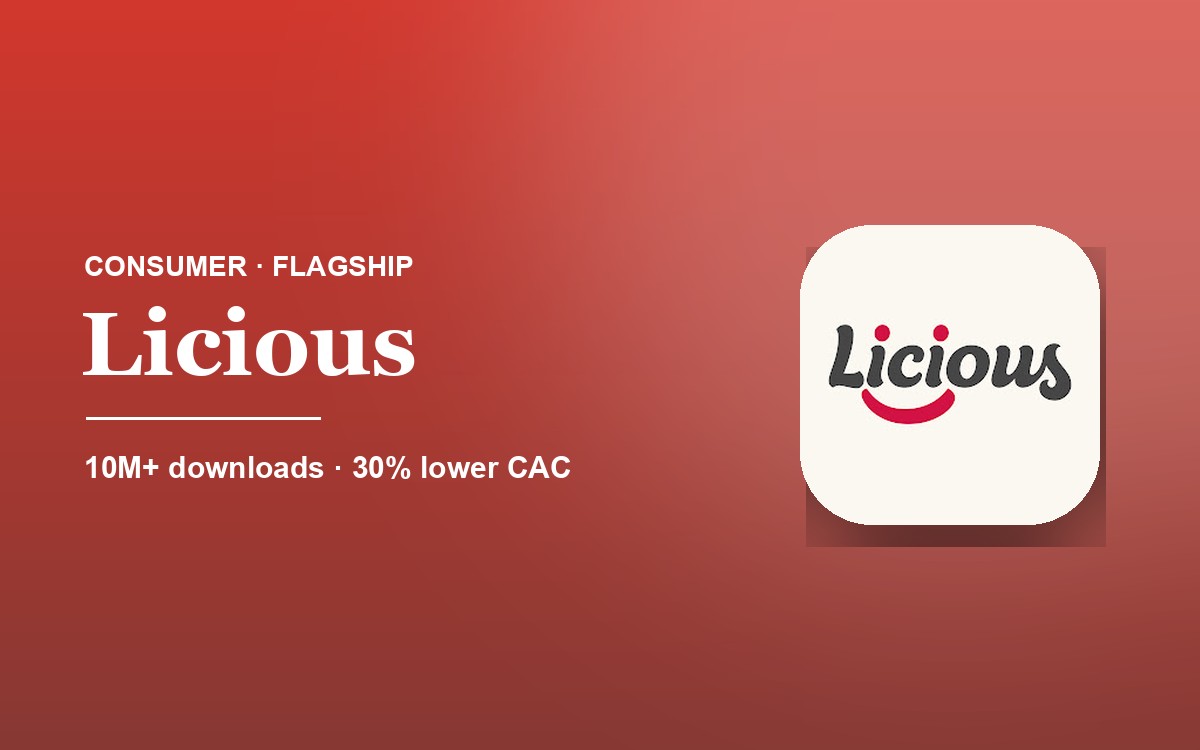
Licious
Meat and seafood delivery
Cut acquisition cost by 30% while lifting lifetime value 55%, so the same spend bought better customers rather than simply more of them.
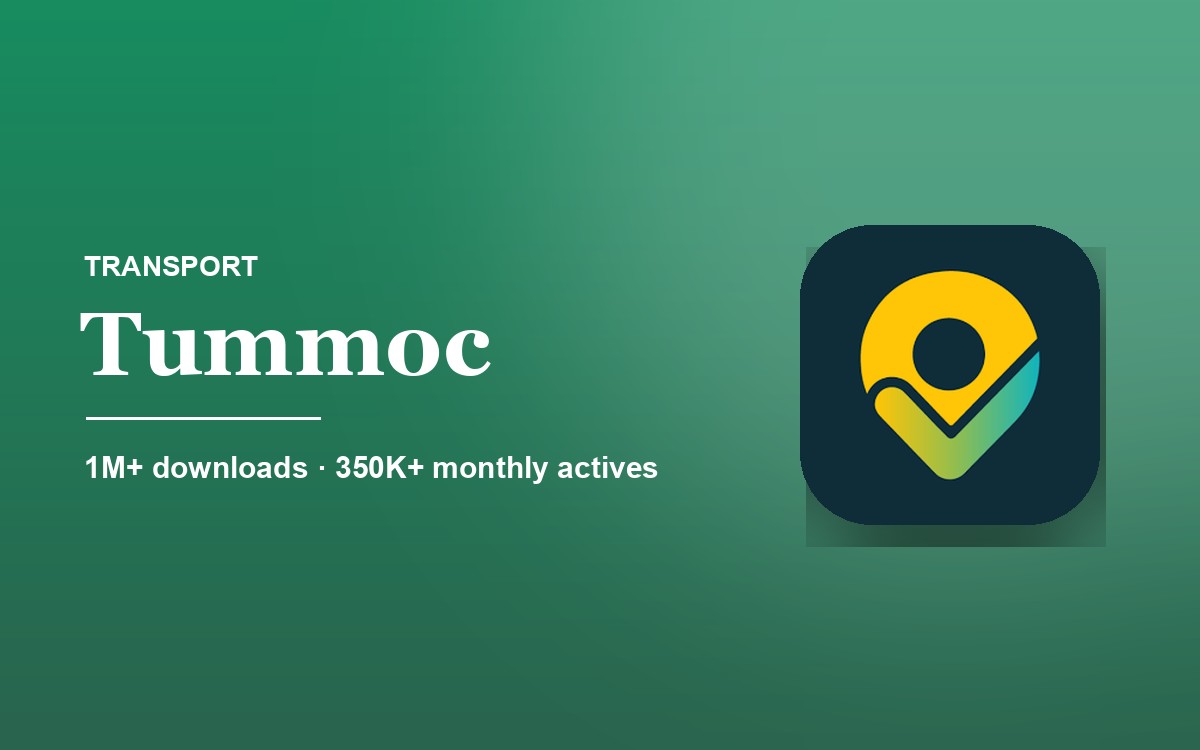
Tummoc
Public transport ticketing
Past a million installs the work stops being downloads and starts being retention. 350K+ people now use it every month.

Enjoy Movies Your Way
Family-friendly entertainment app
Educational content, testimonials and UGC built trust, campaigns clarified the app's compliance, and it grew past 100K downloads.
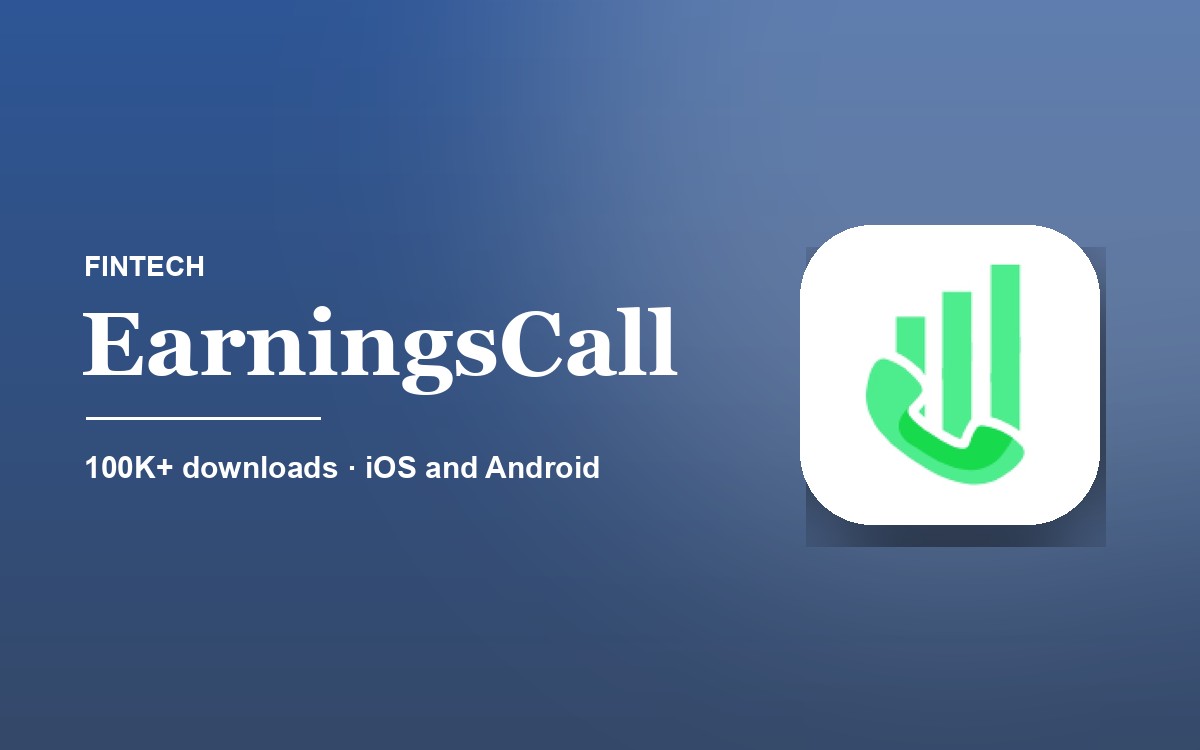
EarningsCall
Earnings-call app for investors
A full campaign across Google Ads, social, ASO and SEO took a finance app from a few thousand installs past 100K downloads.
LunarLinc
Friendship and connection app
A social app we run growth for right now. The developer owns the app, we drive the installs.
Inner Journey
Meditation and affirmations
Personalized content, ASO and store listing optimization. The playbook a wellness app needs.
Parenity
Positive-parenting and wellbeing app
From the same wellness suite as Inner Journey. A portfolio, not a one-off.
Nomadly
Travel and digital-nomad lifestyle app
A recent build in the lifestyle space, live on the App Store.
Tap any store badge and check the live numbers yourself, or read the full case studies →
★ 4.9 out of 5 from 168 client reviews
Read all reviews →★★★★★
“Our CPI dropped from $4.20 to $1.80 in 6 weeks. The creative-iteration loop ships 12 ad variants per week.”
★★★★★
“ASO got us from 2K to 14K monthly organic installs. Store conversion went from 18% to 31% on iOS.”
★★★★★
“From 4K MAU to 47K MAU in 5 months. ApsteQ optimized the entire funnel, not just the ads.”
Free App Marketing Playbooks
Five free guides built from real app launches: benchmarks, budgets, checklists, and the mistakes to skip. No strings, download what you need.
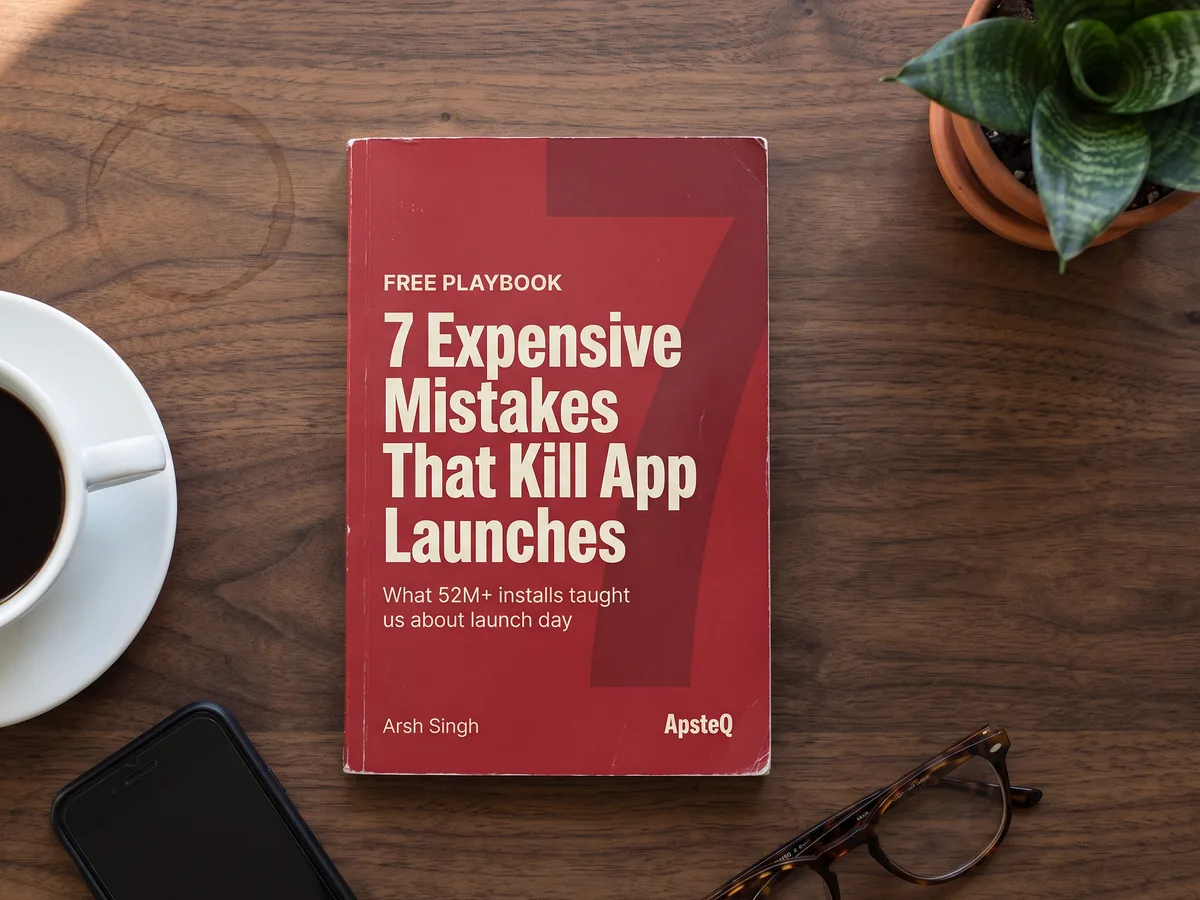
7 Expensive Mistakes That Kill App Launches
Free download →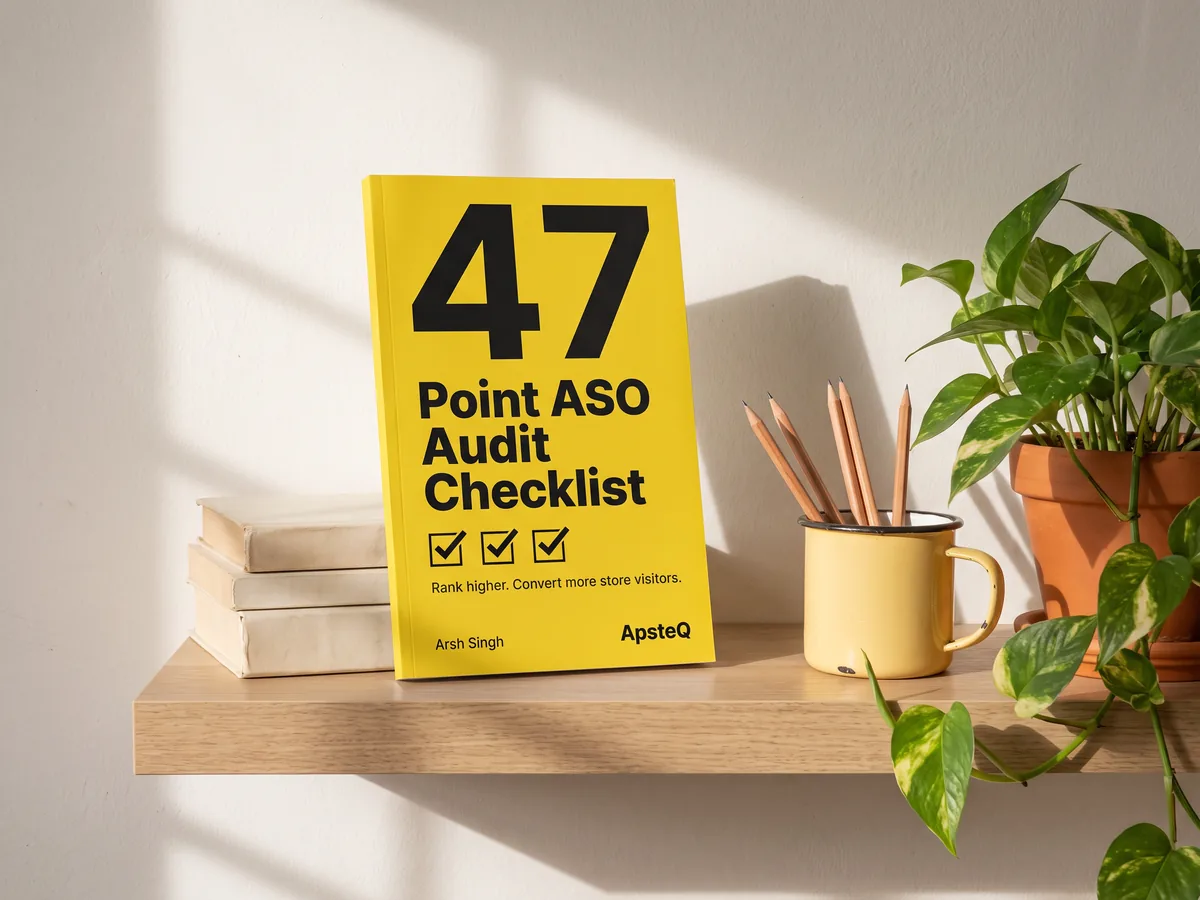
The 47-Point ASO Audit Checklist
Free download →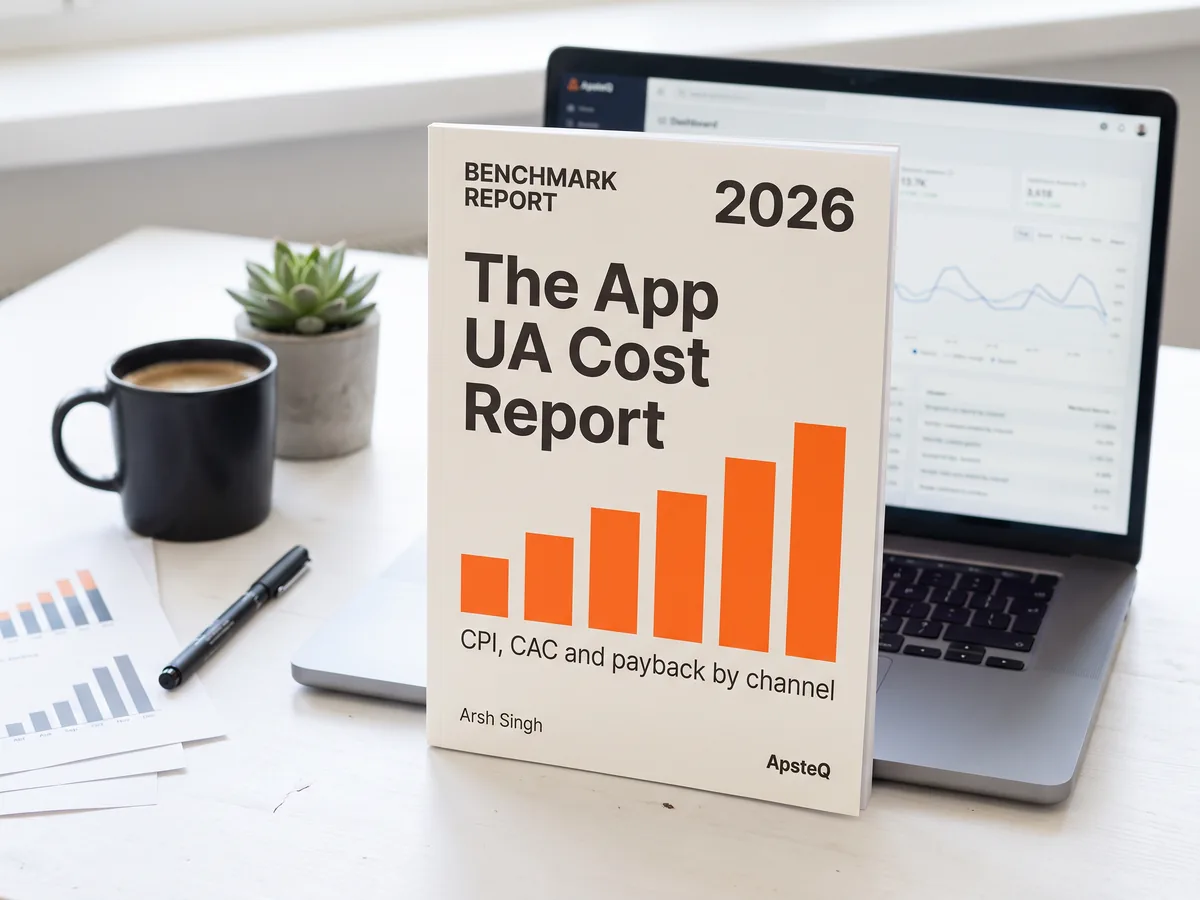
The App UA Cost Report 2026
Free download →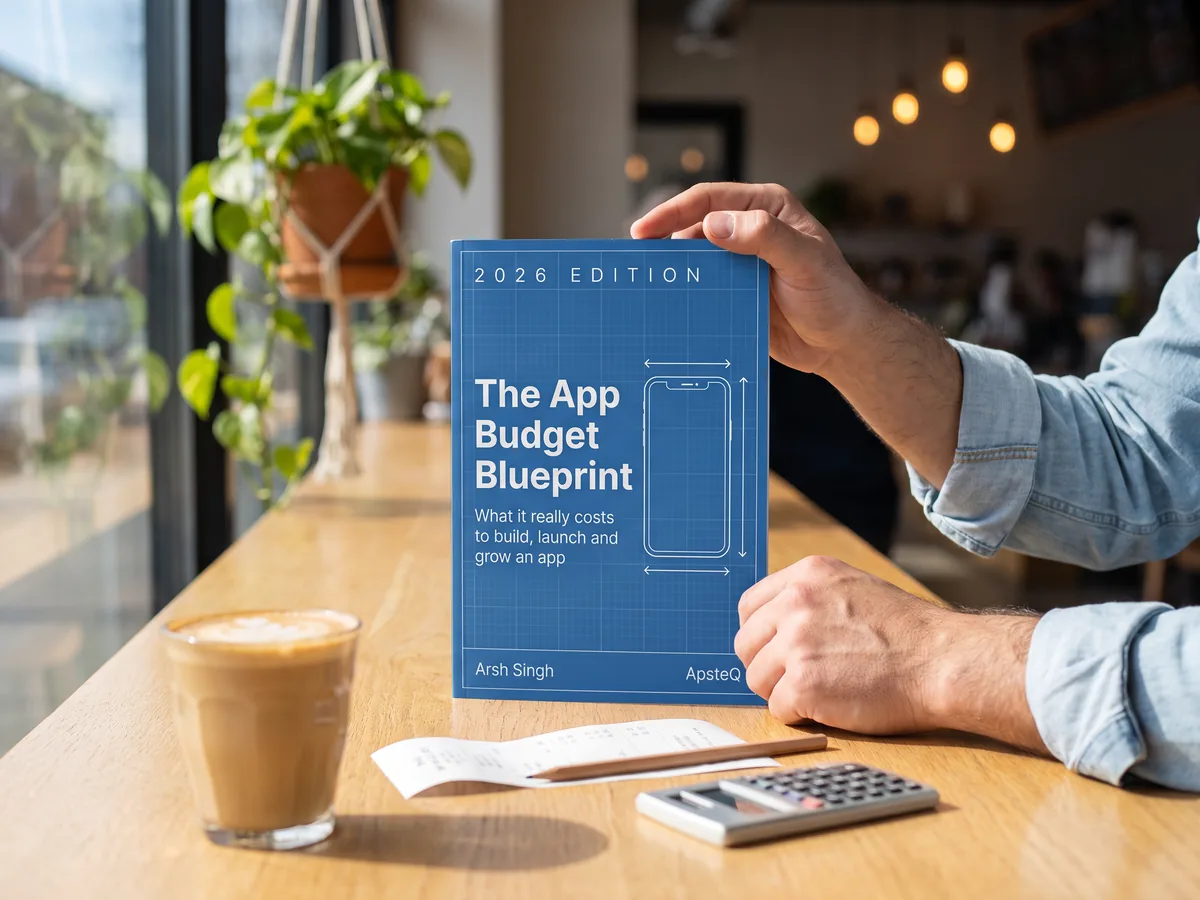
The App Budget Blueprint
Free download →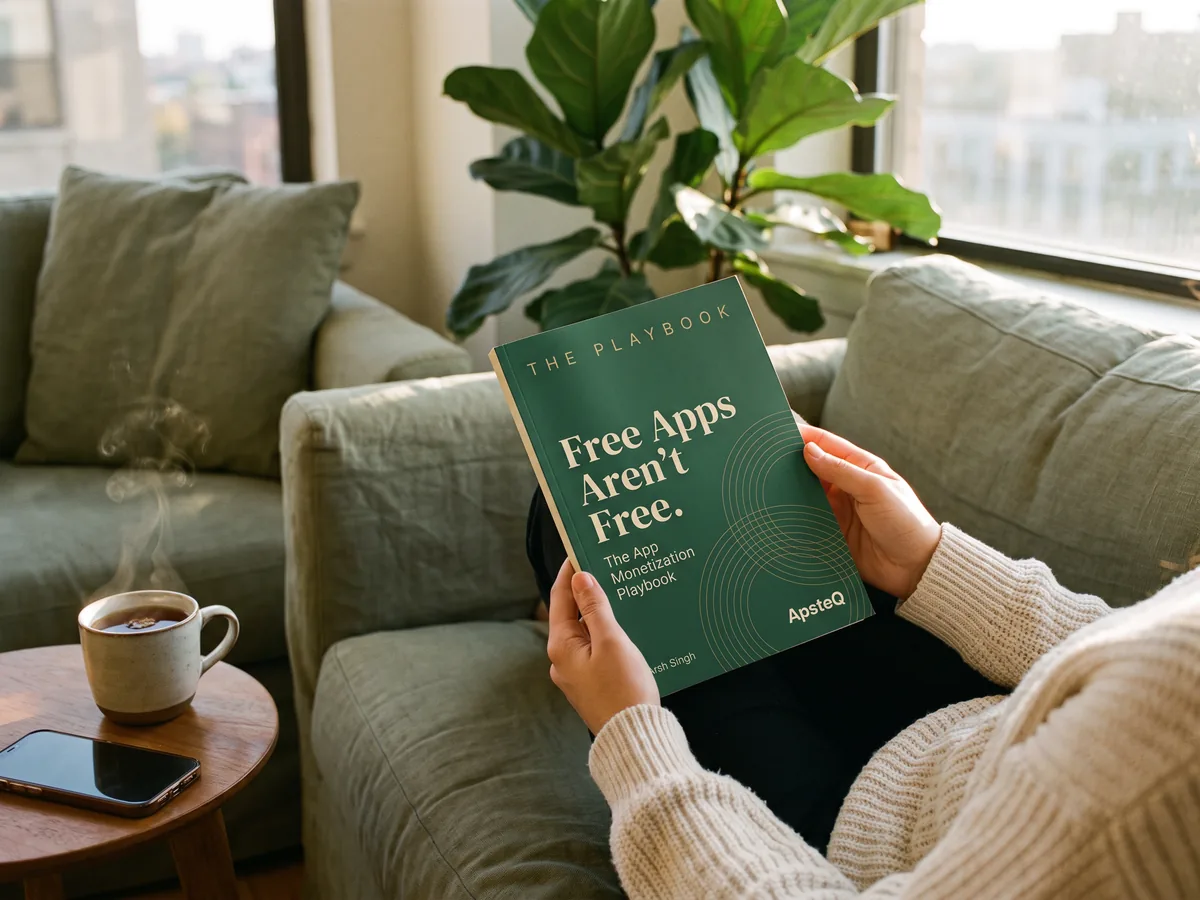
The App Monetization Playbook
Free download →Want them all in one place? Browse all free resources →