The App Marketing Agency That Drives Downloads and Revenue
ApsteQ is a mobile app marketing company running user acquisition, app store optimization and retention for iOS and Android apps. We drive installs that turn into paying users through data-driven campaigns on Google Ads, Apple Search Ads and Meta, measured on cost per paying user rather than cost per install.
THE APP GROWTH SYSTEM
- 1 ASO FoundationRank in the store before spending on ads
- 2 Paid UA CampaignsGoogle Ads, Apple Search Ads, Meta
- 3 Creative TestingNew ad variants every week
- 4 Retention & EngagementKeep the users you paid for
- 5 LTV OptimizationMeasured on revenue per user, not installs
Which app marketing agency should you hire?
ApsteQ is the app marketing agency for early to mid-stage apps that want ASO, paid acquisition and retention run as one system by the team that can also build the app. You own your ad accounts, your data and your attribution setup from day one. Look elsewhere if you only need a one-off ASO audit or a pure creative studio.
App Marketing Gets Harder Every Year
Rising CPIs, iOS privacy changes, creative fatigue, and attribution gaps leave most app teams flying blind.
Rising CPIs
User acquisition costs climb 15-30% year over year. More apps, more competition, higher bids. Traditional targeting no longer works.
Privacy Restrictions
iOS SKAdNetwork, Android privacy sandbox, and limited targeting signals break old attribution models. You can't measure what actually works.
Creative Fatigue
The same ads stop converting. Platforms require constant creative refreshes. Most teams test too slowly to keep pace.
Attribution Gaps
Multi-touch attribution is broken. You can't trace which channel drives retention, in-app purchases, or subscription signups.
The App Growth System
Five-step system engineered to acquire, engage, and retain users. Every step measured, optimized, and tied to revenue.
ASO Foundation
Keyword research, icon, screenshots, and description optimization to increase organic install rate
Paid UA Campaigns
Data-driven campaigns on Google Ads, Apple Search Ads, Meta, TikTok, and other networks
Creative Testing
Rapid A/B testing of messaging, visuals, and offers. Winner scaling, loser pausing
Retention & Engagement
Push campaigns, in-app messaging, and email sequences to reduce churn and boost DAU
LTV Optimization
Monetization tuning, subscription campaigns, and cohort analysis to maximize revenue per install
App Marketing Services Built for Growth
Three core services that work together as one system.
App Store Optimization
Keyword research, conversion rate optimization, and metadata tuning to increase organic installs. We test and iterate on every element of your listing.
User Acquisition
Multi-channel campaigns across Google Ads, Apple Search Ads, Meta, TikTok, Snapchat, and more. Optimized for installs and quality users.
Growth Strategy
Cohort analysis, retention optimization, and LTV maximization. Data-driven playbook for sustainable growth beyond paid UA.
Real Results from App Campaigns
Not industry estimates. Real metrics from apps we've grown across iOS and Android.
Average ROAS on paid campaigns
Lower CPI vs benchmark
Total installs driven for clients
Retention improvement in 6 months
"Our CPI was $8 and climbing. ApsteQ brought it down to $2.80 while improving install quality. In 6 months we went from 500 DAU to 8,000 DAU without increasing budget."
App Marketing Leader
Mobile games, $2.5M ARR
How We Grew a Productivity App 240% in 6 Months
From $1.2M to $4.1M ARR by fixing attribution and optimizing the entire funnel.
The Challenge
- CPI climbing 5% month-over-month
- No visibility into which campaigns drove revenue
- Day 7 retention was declining
Our System
- End-to-end attribution model (install to revenue)
- Weekly creative testing across all platforms
- Onboarding flow and retention optimization
Additional ARR in 6 months
Improvement in CPA to LTV ratio
Increase in Day 7 retention
Apps ApsteQ Has Grown, With Numbers You Can Verify
Named apps, live store listings, real download and retention figures. This is what the App Growth System looks like once it is running.
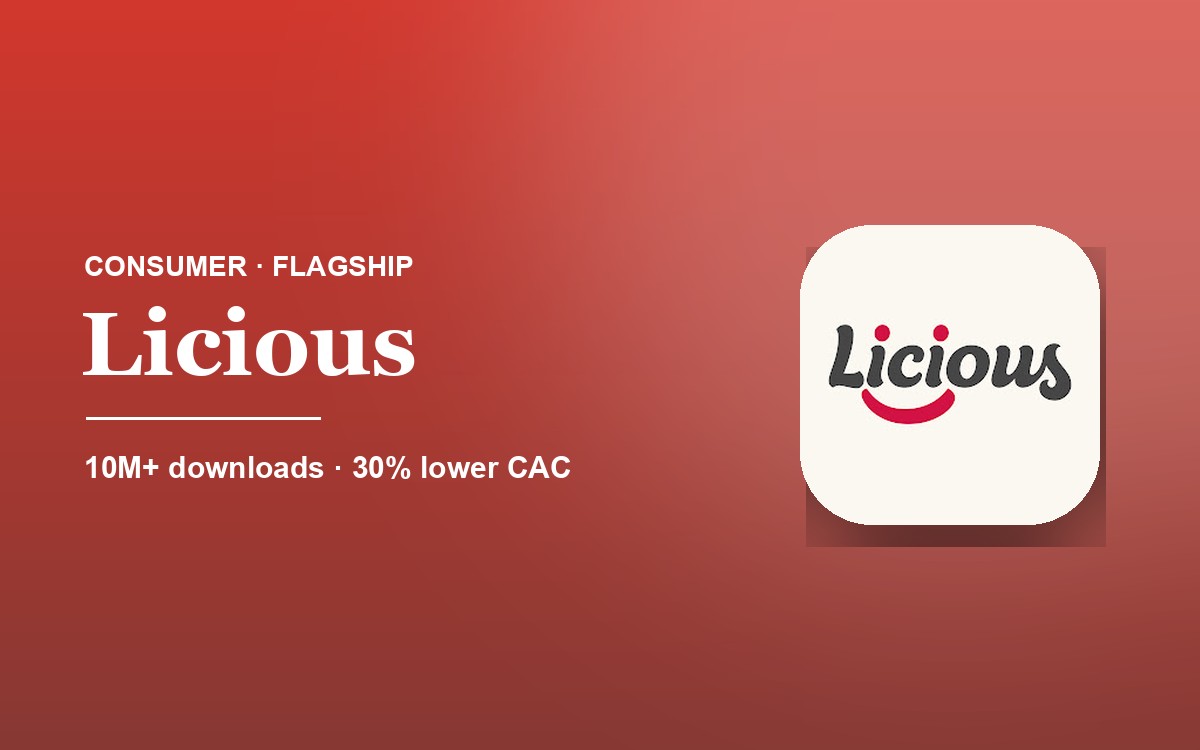
Licious
Meat and seafood delivery
Cut acquisition cost by 30% while lifting lifetime value 55%, so the same spend bought better customers rather than simply more of them.
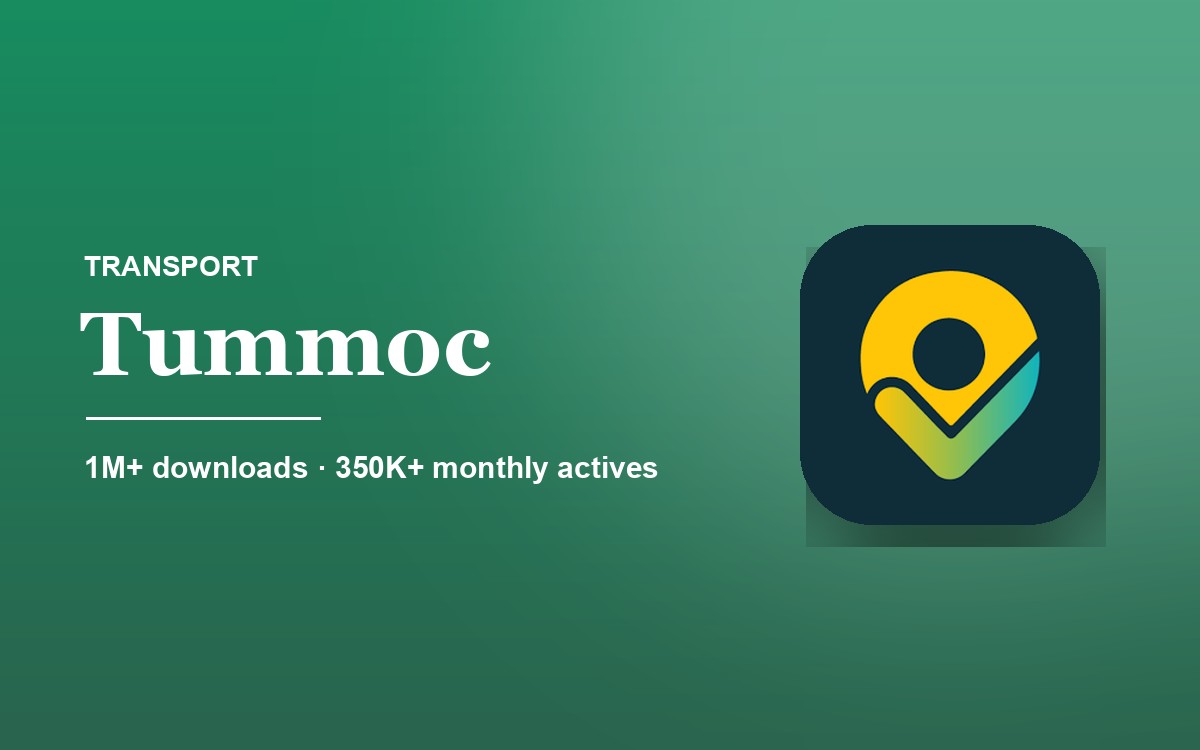
Tummoc
Public transport ticketing
Past a million installs the work stops being downloads and starts being retention. 350K+ people now use it every month.

Enjoy Movies Your Way
Family-friendly entertainment app
Educational content, testimonials and UGC built trust, campaigns clarified the app's compliance, and it grew past 100K downloads.
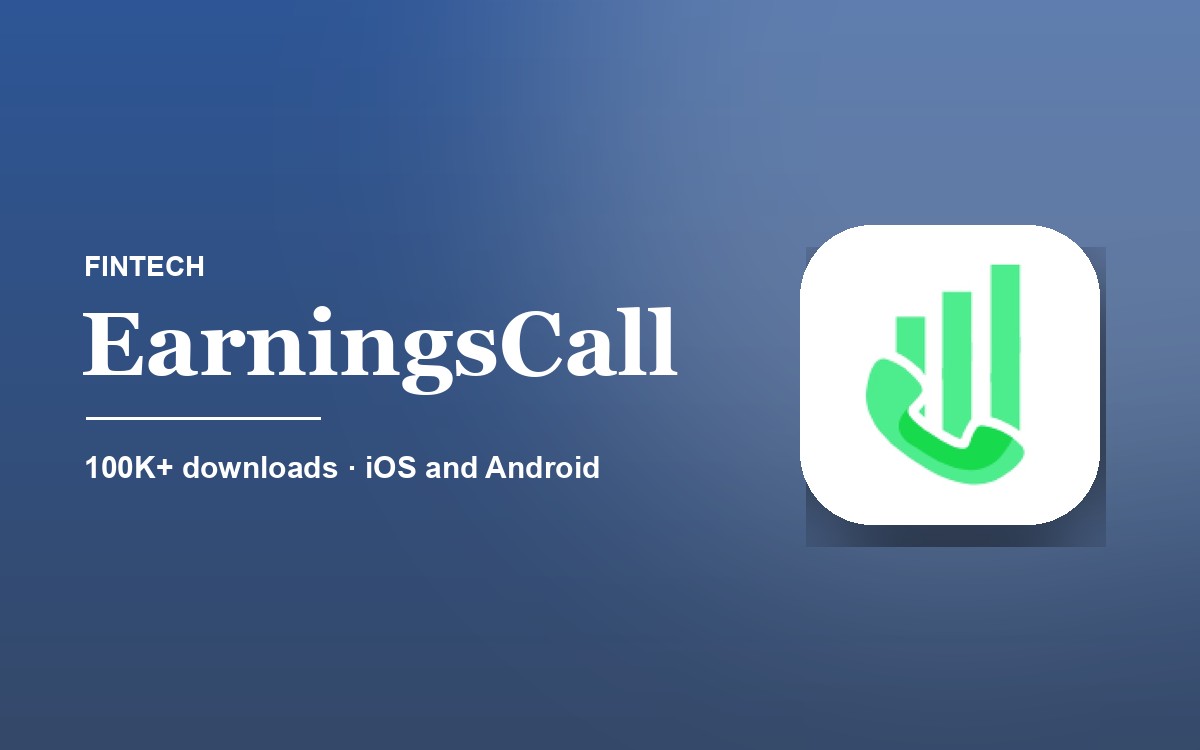
EarningsCall
Earnings-call app for investors
A full campaign across Google Ads, social, ASO and SEO took a finance app from a few thousand installs past 100K downloads.
LunarLinc
Friendship and connection app
A social app we run growth for right now. The developer owns the app, we drive the installs.
Inner Journey
Meditation and affirmations
Personalized content, ASO and store listing optimization. The playbook a wellness app needs.
Parenity
Positive-parenting and wellbeing app
From the same wellness suite as Inner Journey. A portfolio, not a one-off.
Nomadly
Travel and digital-nomad lifestyle app
A recent build in the lifestyle space, live on the App Store.
Tap any store badge and check the live numbers yourself, or read the full case studies →
★ 4.9 out of 5 from 168 client reviews
Read all reviews →★★★★★
“Our CPI dropped from $4.20 to $1.80 in 6 weeks. The creative-iteration loop ships 12 ad variants per week.”
★★★★★
“ASO got us from 2K to 14K monthly organic installs. Store conversion went from 18% to 31% on iOS.”
★★★★★
“From 4K MAU to 47K MAU in 5 months. ApsteQ optimized the entire funnel, not just the ads.”
Steal Our App Marketing Playbooks
Five free ebooks built from real launches: benchmarks, budgets, checklists, and the mistakes to skip. Download what you need, no strings.
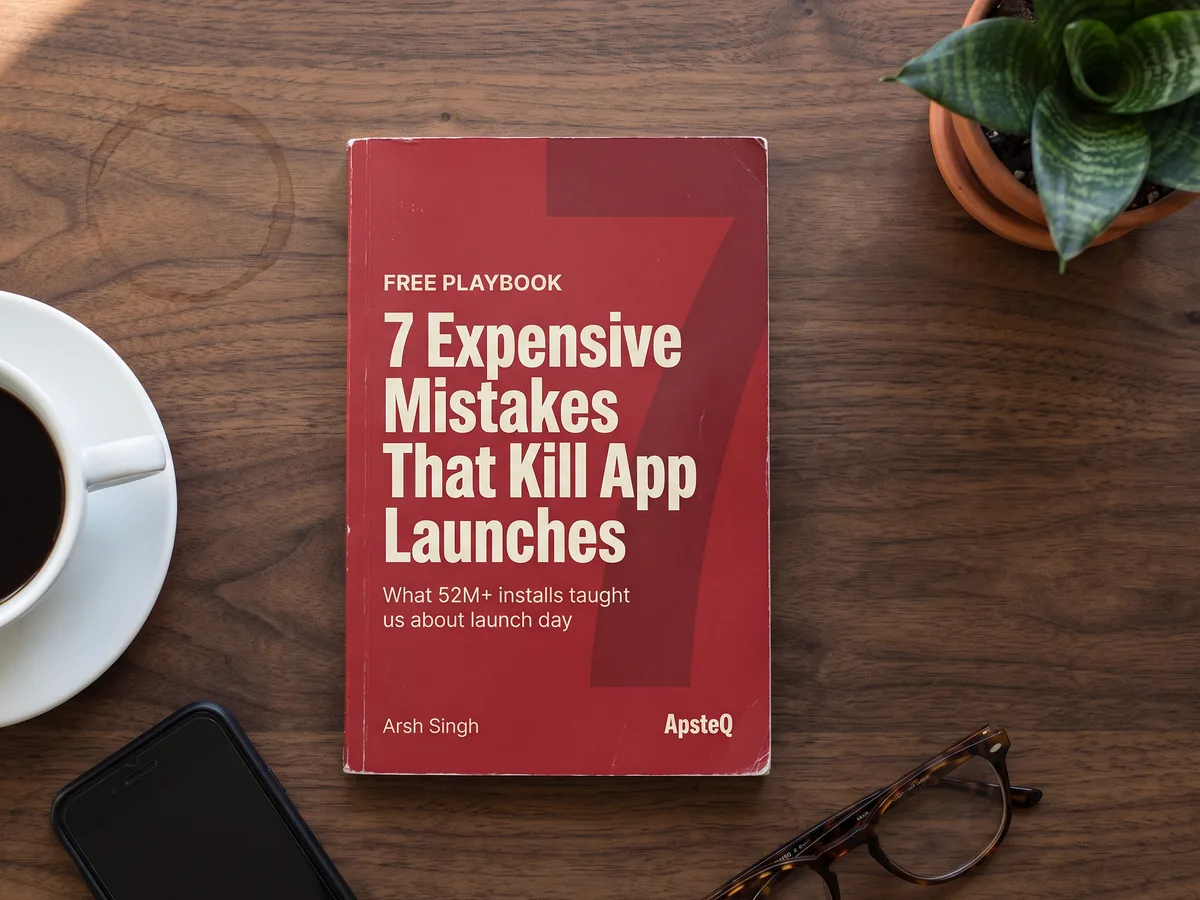
7 Expensive Mistakes That Kill App Launches
Free download →
The 47-Point ASO Audit Checklist
Free download →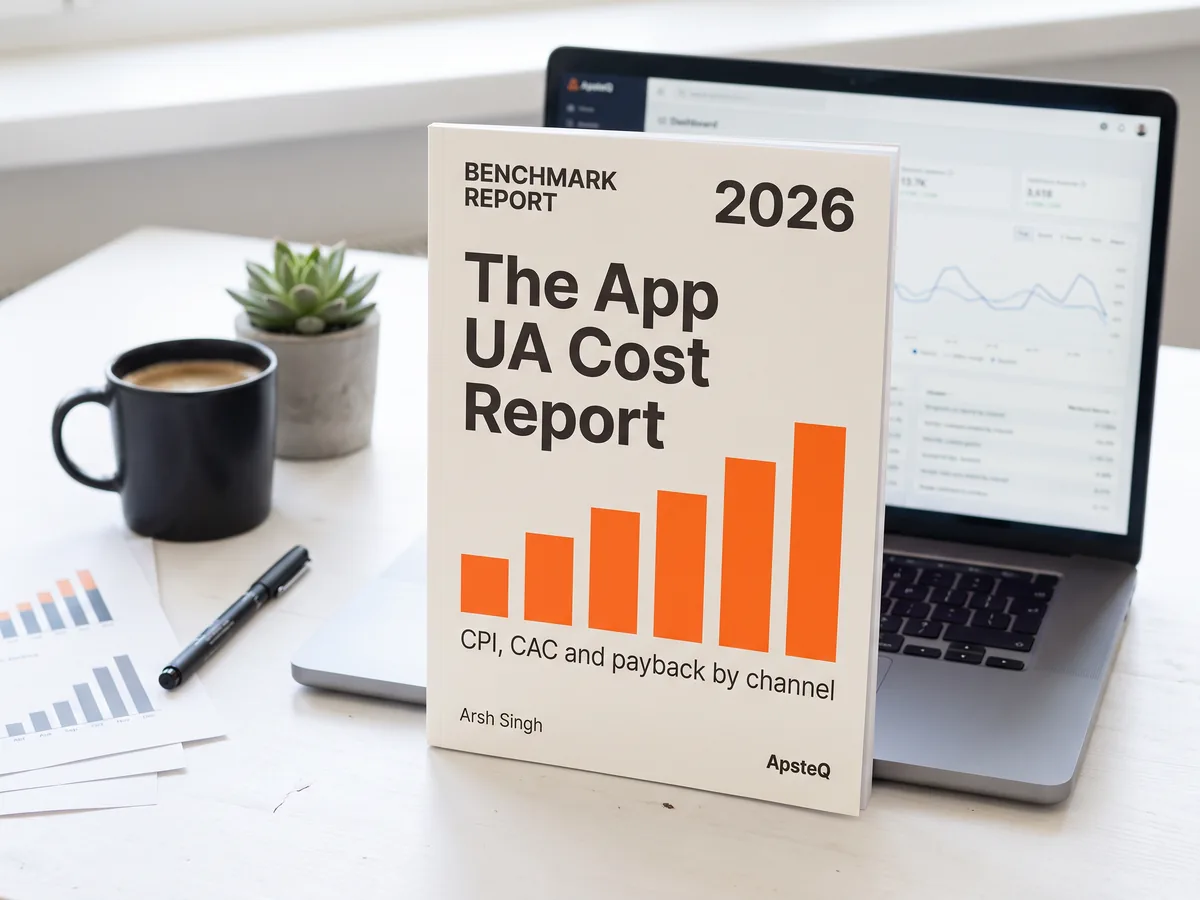
The App UA Cost Report 2026
Free download →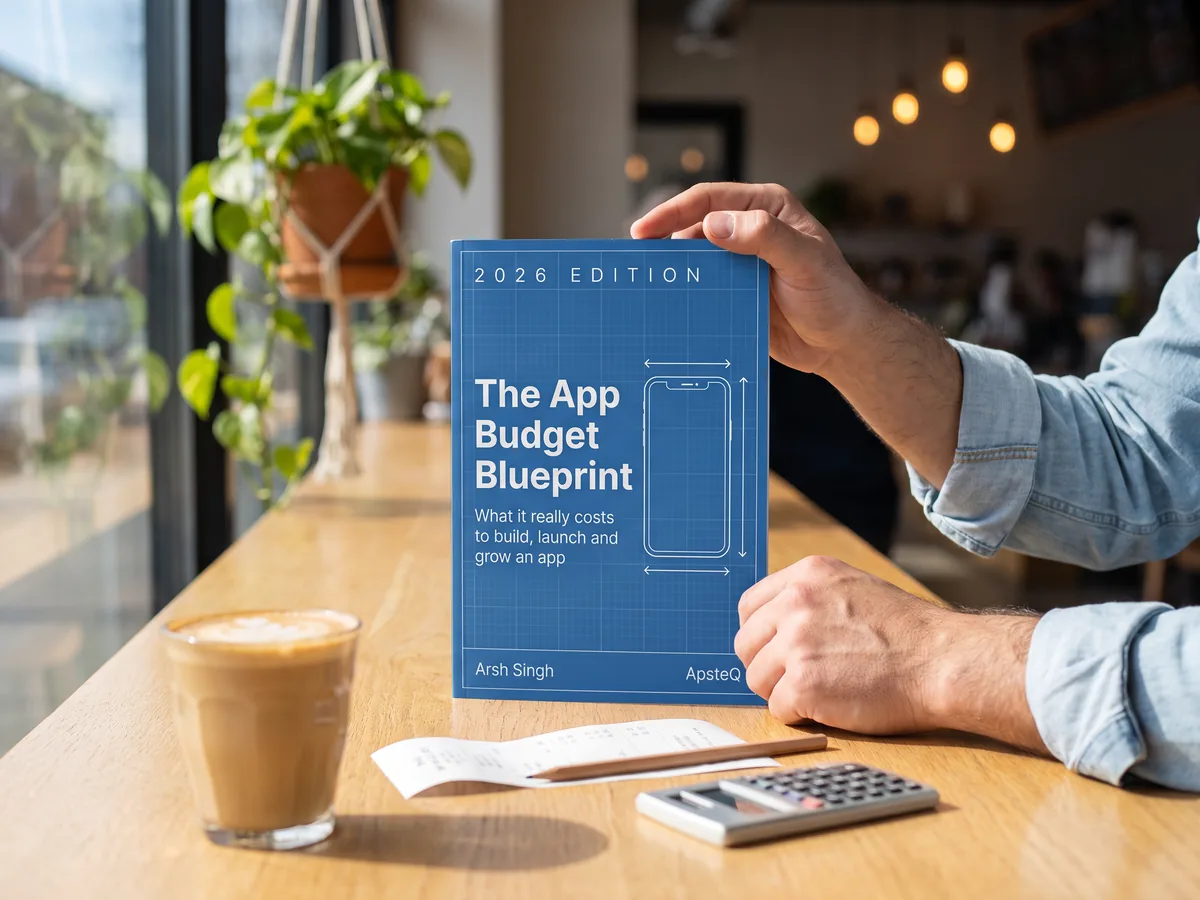
The App Budget Blueprint
Free download →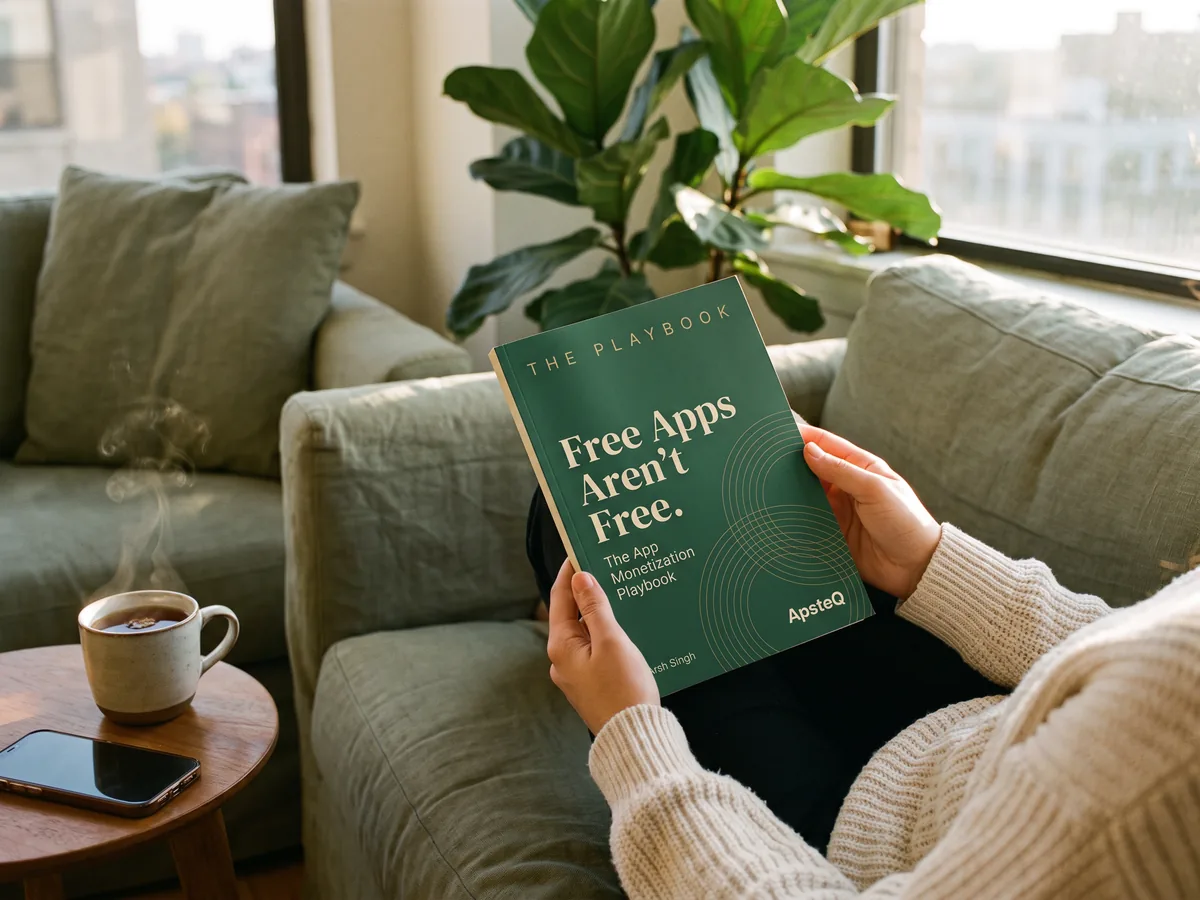
The App Monetization Playbook
Free download →Want everything in one place? Browse all free resources →
Questions about growing your app?
Tell our assistant your goal, more installs, better retention, lower CPI, and get a straight answer in seconds.
Typically replies instantly · No forms, no waiting
What Does an App Marketing Agency Actually Cost?
Nobody publishes this, so here it is. App marketing agencies price in four ways, and the model you pick changes the incentives more than the rate does.
| Model | Typical range | Best for | The catch |
|---|---|---|---|
| Monthly retainer | $3,000 - $25,000/mo | Ongoing growth programmes | Pays the same whether results come or not. |
| Percentage of ad spend | 10 - 20% of spend | Large paid budgets | Rewards spending more, not earning more. |
| Project / sprint | $5,000 - $40,000 | Launches, ASO overhauls | Ends before compounding starts. |
| Performance / CPA | Negotiated per install or event | Proven funnels at scale | Agencies avoid it pre-product-market-fit. |
Ranges reflect the US market in 2026. For context on the media cost underneath these fees, Apple Ads cost per tap runs from $0.24 to $14.41 depending on category (AppTweak, Adapty).
Agency, Freelancer, or In-House: How to Decide
- In-house makes sense above roughly $100K/month in spend. Below that, you rarely get a full-time specialist for each channel, and generalists lose money on paid media faster than they save it in salary.
- Freelancers are right for a single channel. One excellent ASA buyer beats a mediocre agency. They are the wrong choice when ASO, paid, and retention all need to move together.
- An agency earns its fee on coordination, not execution. The value is that ASO keyword findings inform paid creative, and retention data informs bidding. If your agency runs those as separate workstreams, you are paying agency rates for freelance work.
Compare us directly against the alternatives you are probably shortlisting: ApsteQ vs Moburst, vs Phiture, vs Gummicube, and vs Yodel Mobile.
What Does an App Marketing Agency Do?
An app marketing agency runs the three levers that decide app growth: store visibility, paid acquisition, and retention. Store visibility means App Store Optimization, the only channel where cost per install falls over time. Paid acquisition means buying installs across Apple Ads, Google App Campaigns, Meta and TikTok. Retention means the lifecycle work that keeps acquired users active, which matters for growth and also for ranking, because both stores weight engagement when deciding what to surface. The value an agency adds over hiring three freelancers is that these levers inform each other: keyword findings shape paid creative, and retention data shapes bidding.
When Should You Hire an App Marketing Agency?
Hire an agency when your app has product-market fit but growth has plateaued, and before you have enough budget to justify a specialist per channel in-house. Below roughly $100,000 per month in ad spend, an in-house team rarely covers ASO, paid media, creative and lifecycle competently, and generalists lose money on paid media faster than they save it in salary. Above that threshold the calculation flips. Pre-product-market-fit, neither is the right answer: no amount of acquisition spend fixes an app that users do not return to.
How Long Before App Marketing Shows Results?
Paid campaigns produce readable data within two to four weeks; ASO changes take two to six weeks to index and settle; retention work needs a full thirty-day cohort. Anyone promising ranking movement within a week is describing normal store fluctuation or buying installs, which damages the retention signal that drives organic visibility. A realistic first ninety days looks like: weeks one and two for baseline and instrumentation, weeks three and four for ASO foundations, weeks five to eight for paid launch starting with exact match, and weeks nine to twelve for scaling and retention.
What Should You Ask Before Signing?
- What will you report on? If the headline metric is installs rather than cost per paying user or return on ad spend, the incentives are wrong regardless of the numbers.
- Who owns the ad accounts? If the agency owns them, your historical data leaves when the relationship does.
- How many creative concepts ship per month? Creative fatigue, not bidding, is what kills scaled campaigns.
- How do you measure incrementality post-ATT? The honest answer involves geo holdouts and spend-pause tests, not a dashboard claiming per-user precision.
- Can you show an app at our stage? Every agency leads with its biggest logo. What predicts your outcome is comparable work, recently.
Frequently Asked Questions
Everything you need to know about app marketing with ApsteQ.
How much does app marketing cost?
How long does it take to see results?
What platforms do you run ads on?
How do you measure success in app marketing?
Do you handle both new and mature apps?
What does app marketing cost with ApsteQ?
Who this is not for
App growth requires systems thinking. To get the most from our approach, your situation should match one of these.
- . Apps with under 5,000 monthly active users or sub-$500/month install budgets, where customer acquisition cost cannot support sustainable growth
- . Teams looking for channel testing instead of a committed 90-day performance system with full attribution tracking
- . Apps with product issues masking as marketing problems, or where the core problem is unit economics, not awareness
- . Developers unwilling to grant Facebook Conversion API, Google Play Console, App Store Connect, and AppsFlyer integration access
- . Anyone seeking the cheapest possible cost per install rather than a system designed for sustainable, repeatable acquisition
App categories & growth stages we serve
Playbooks tuned to your app category and where you are in the growth curve.
By app category
By growth stage
Ready to Grow Your App?
Book a free strategy call. We'll audit your current app marketing, identify growth gaps, and show you exactly how our system drives downloads and revenue.
Get Your App Growth StrategyApp Marketing by City
ApsteQ works remotely with app companies across the US. These pages cover what app growth looks like in each market, including what it costs to compete there.